Websites That Don’t Just Sit There.
Most agencies hand you a brochure and wish you luck. We build the site that brings the enquiry in — and, if you want it, the system that replies within minutes and books the job.
A Website Is Only Half the Job
A beautiful site that generates an enquiry nobody answers for six hours is an expensive way to lose a customer politely. The site and the reply are one system — so we build them as one.
What Every Build Includes
Demo Builds
Full working sites for fictional businesses, built to show what a finished build looks like in a given industry. Open one and use it — every section, form and interaction works the way it would on a live client site.
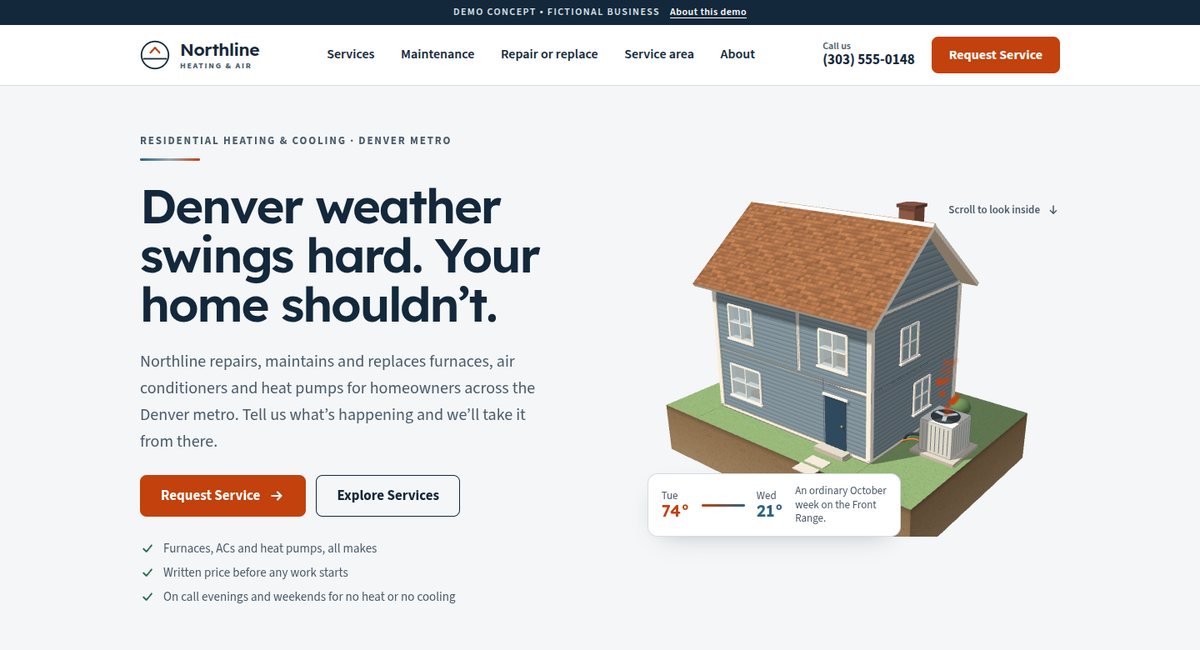

Built around what a homeowner with a broken AC actually needs at 9pm: what to check first, what it will cost to find out, and one obvious way to get someone out.
- Symptom triage — pick “AC isn’t cooling” and get the three things worth checking before calling
- Service request form with inline validation that carries the chosen problem through
- Sticky call-or-request bar on phones, pricing stated up front, reduced-motion fallback
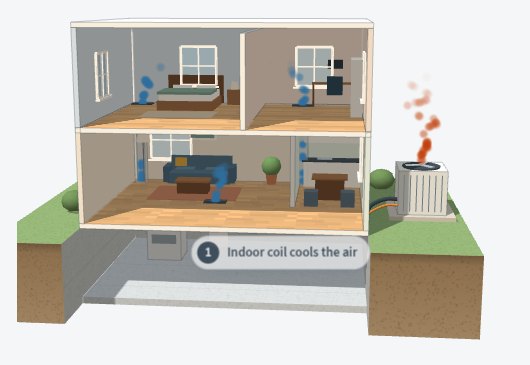
Scroll the heroThe house opens like an architect’s model and shows how central air actually moves through a home — real WebGL, not a video.
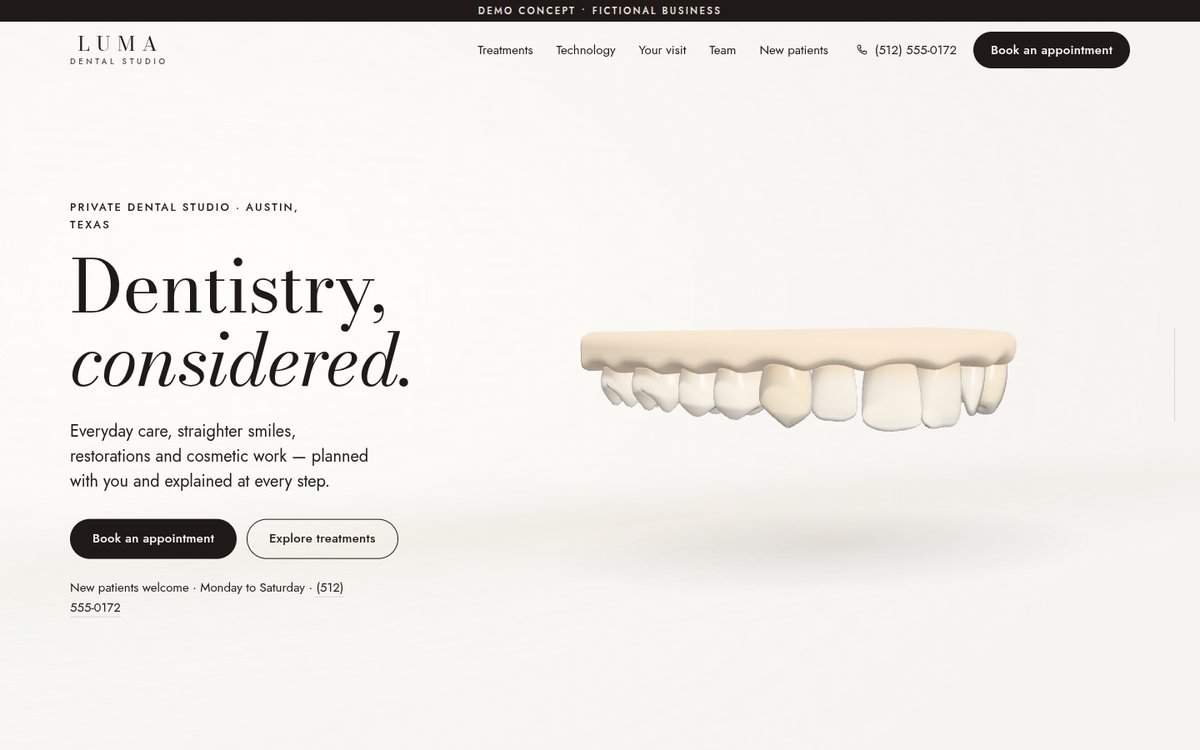

Built for the patient who is a little nervous, comparing clinics, and wants to understand a treatment before sitting in the chair. The page explains the dentistry instead of just listing it.
- A scroll-driven 3D story that takes one set of teeth through crowding, braces and aligners, restoration and veneers — one plain-English line at each step
- Appointment request that asks new or existing patient, reason for the visit and preferred days, so the front desk calls back ready
- Adapts to the device: full 3D on capable machines, a lighter render on phones, still images when reduced motion is on, and a “Skip the 3D story” link
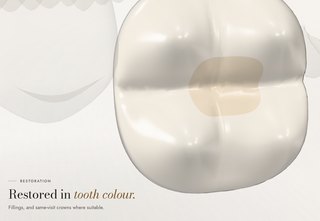
Scroll the storyThe camera moves in on one molar, removes only the affected part and restores it in tooth colour — rendered live in WebGL, not a video.
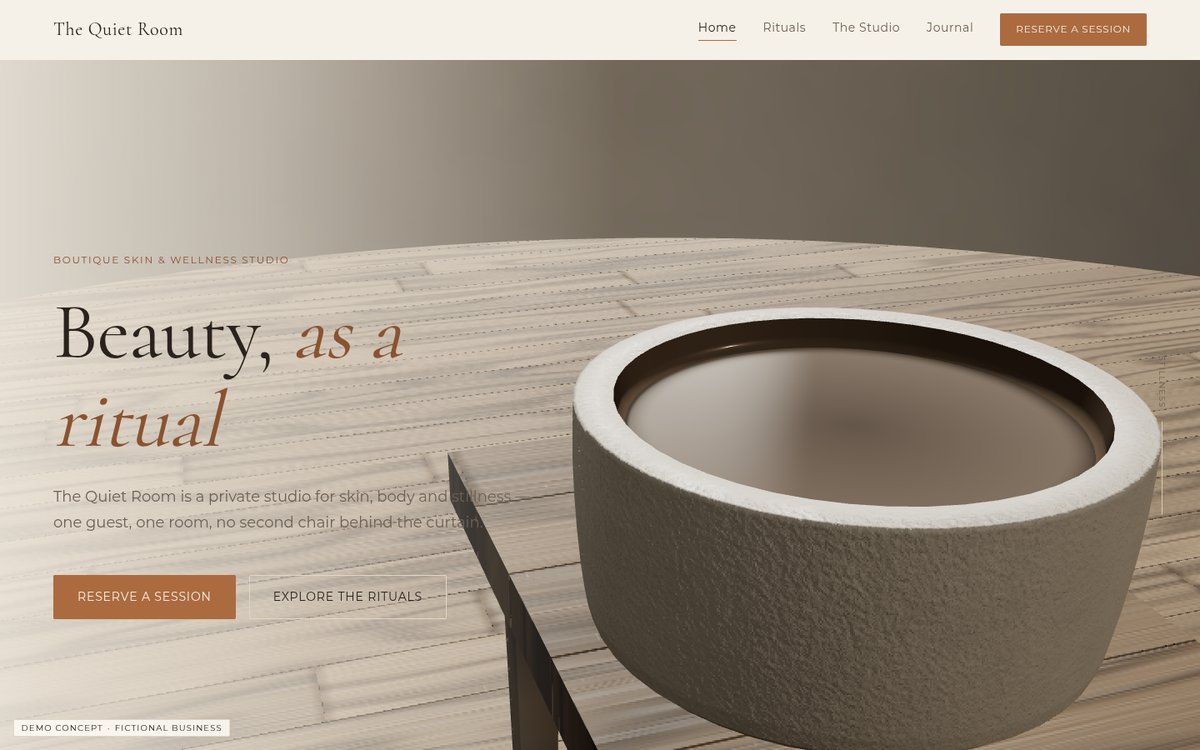
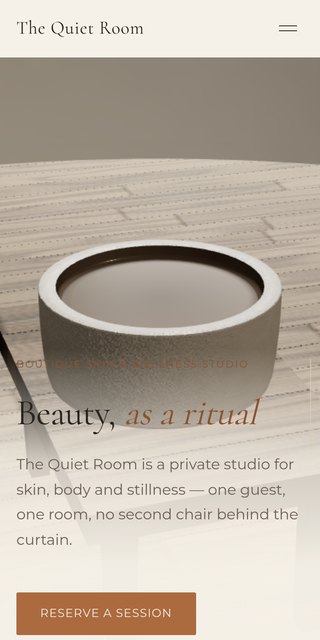
Built for the studio that sells calm rather than a price list. The room, the materials and the pace do the persuading, and the only thing the page asks anyone to do is reserve a session.
- A six-beat 3D story: a carved stone basin on an oak table, lit by a single window, with the camera moving closer as each line of copy lands
- Four routes behind the story — Rituals, The Studio, Journal and Reserve — so it is a small site, not one long page
- Nineteen photographs served as WebP with a blur stand-in, and a still-image version for anyone browsing with reduced motion
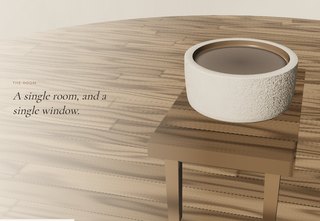
Scroll the storyThe camera pulls back to show the whole room — basin, table and the window lighting them — instead of cutting between product shots.
Every demo is a real, working build for a clearly labelled fictional business — never a stock mockup, and never passed off as client work.
How a Build Runs
Three Things Decide What a Build Costs
Not a mystery, and not a fixed menu either. Pick where you sit on each of these three and the number is essentially settled — everything else is detail.
- —Whether copy exists or has to be written from scratch.
- —Whether you have usable photography, or we work around it.
- —Booking connected to a real calendar, versus a contact form.
- —Migrating an existing site without losing the rankings it already has.
- —Whether you want the lead-response system wired in at launch or later.
2D or 3D Is What Moves the Number Most
Starting figures, not a menu — the 3D range depends on how much of the site is 3D, and the two-dimensional builds are fixed. Every build includes the conversion structure, the technical SEO foundation, the mobile-first layout and the handover.
Figures are in USD and cover the build itself. Domain, hosting and any stock photography or fonts you licence are billed at cost and stay in your own accounts. Rates are quoted per market — a build priced for India will not read the same as one priced for the US or the UAE — and the exact figure is confirmed on the first call, once the three drivers above are settled.
Already Have a Site? Keep It.
If the site is fine and the problem is that nobody answers what it produces, you don’t need a rebuild — you need the lead-response system connected to what you already have.